
Choosing the Right Wheels for Your Roller Skates

Roller skate wheels are one of the most important parts of your setup, yet they are also one of the most confusing. Many skaters feel overwhelmed by the numbers printed on wheels and end up choosing something unsuitable for where or how they skate. This often leads to skating feeling harder than it should, unnecessary falls, or the assumption that the skates themselves are the problem.
The good news is that roller skate wheels are not complicated once you understand what the numbers mean and how they affect your skating. This guide breaks everything down in plain language, explains how different wheels behave on different surfaces, and helps you choose the right wheels with confidence.
- The two numbers you see on roller skate wheels
- Wheel diameter explained
- Wheel hardness explained
- Indoor wheels vs outdoor wheels
- Wheel width and shape
- Bearings and compatibility
- Wheel types and recommended use
- Common mistakes to avoid
- Safe starting points if you are unsure
- A note on glow and LED wheels
The two numbers you see on roller skate wheels
Most roller skate wheels display two key measurements:
- Diameter, measured in millimetres (mm)
- Hardness, measured on the A durometer scale (A)
For example, a wheel labelled 62mm / 78A is 62 millimetres in diameter and has a hardness rating of 78A. These two numbers explain almost everything about how the wheel will feel when you skate.
Wheel diameter explained
How size affects speed, roll, and control
Wheel diameter refers to the height of the wheel from top to bottom and is measured in millimetres. Most roller skate wheels fall between 57mm and 65mm, and this size range has a noticeable impact on how your skates behave.
Larger wheels cover more ground with each rotation. This makes them feel smoother and faster once they are rolling, especially on rough or uneven surfaces. Smaller wheels rotate more quickly, which makes them feel more responsive and easier to control, particularly during quick movements and technical footwork.
How diameter changes your skating experience
Larger diameter wheels:
- Maintain speed more easily
- Roll more smoothly over cracks and rough surfaces
- Feel more stable at higher speeds
- Can feel slower to accelerate from a stop
Smaller diameter wheels:
- Accelerate faster
- Feel lighter and more agile
- Make tight turns and quick footwork easier
- Do not handle rough surfaces as well
General diameter guidelines
- 57–59mm wheels are commonly used for dance skating, rhythm skating, roller derby, and skate parks
- 60–62mm wheels are a popular all-round size for indoor rinks and recreational skating
- 62–65mm wheels are best suited to outdoor skating, trails, and longer-distance cruising
Wheel hardness explained
Understanding grip, slide, and surface feel
Wheel hardness is measured using the A durometer scale, where lower numbers indicate a softer wheel and higher numbers indicate a harder wheel. Roller skate wheels typically range from 78A to 101A or higher.
Hardness determines how much grip a wheel has on the skating surface. Softer wheels compress slightly under your weight, which increases traction and absorbs vibrations from rough ground. Harder wheels compress very little, allowing them to roll faster and slide more easily.
How hardness affects your skating
Softer wheels:
- Provide more grip and stability
- Absorb vibrations and small bumps
- Feel more forgiving for beginners
- Are slower on smooth surfaces
Harder wheels:
- Feel faster and more responsive
- Allow controlled sliding and spins
- Transfer more vibration from the surface
- Require better balance and control
General hardness guidelines
- 78A–85A: Best for outdoor skating on asphalt, concrete paths, and streets
- 88A–92A: Suitable for indoor recreational skating and smooth concrete
- 95A–101A+: Designed for indoor rinks, dance skating, speed skating, and derby
Indoor wheels vs outdoor wheels
Why surface matters more than style
One of the most common mistakes skaters make is using the wrong wheels for the surface they skate on. Outdoor surfaces such as footpaths and car parks are uneven and abrasive, while indoor rink floors are smooth and consistent.
Hard wheels used outdoors can feel slippery, unstable, and uncomfortable. Soft wheels used indoors can feel slow and “sticky,” making it harder to glide or perform transitions smoothly.
If you regularly skate both indoors and outdoors, owning two sets of wheels is strongly recommended. Swapping wheels takes only a few minutes and dramatically improves safety and enjoyment.
Wheel width and shape
An often overlooked detail.
Wheel width also plays a role in how skates feel. Wider wheels provide a larger contact patch with the ground, which increases grip and stability. Narrower wheels reduce surface contact, making them easier to slide and turn.
Wider wheels:
- Feel more stable
- Offer better grip
- Are more forgiving for beginners
Narrower wheels:
- Make spins and quick transitions easier
- Feel faster edge to edge
- Require more precise control
Most beginner and recreational skaters benefit from moderately wide wheels rather than narrow, high-performance designs.
Bearings and compatibility
Understanding 7mm vs 8mm bearings
Bearings are the small metal components that sit inside your wheels and allow them to spin smoothly. While most roller skate bearings look similar, there is one key measurement that often causes confusion: the axle size, usually shown as 7mm or 8mm.
This number does not describe the wheel. It describes the diameter of the axle on your skate.
What 7mm and 8mm actually mean
- 8mm bearings fit skates with 8mm axles
- 7mm bearings fit skates with 7mm axles
The bearing must match the axle size exactly. A 7mm bearing will not fit on an 8mm axle, and an 8mm bearing will be loose on a 7mm axle.
Which size do most skaters need?
- 8mm axles and bearings are by far the most common
- Most modern beginner, recreational, and mid-range skates use 8mm axles
- The majority of bearings sold today are 8mm
You are most likely to need 8mm bearings unless you own higher-end or older skates.
When do skaters need 7mm bearings?
7mm axles are typically found on:
- Older-style artistic and dance skates
- Some high-end artistic plates
- Certain European-made or legacy plates
If your skates are marketed as artistic or rhythm-focused and are on a premium plate, there is a higher chance they use 7mm axles.
How to check which bearings you need
If you are unsure, there are three simple ways to confirm:
- Check the skate or plate specifications The axle size is often listed on the manufacturer’s website or product page.
- Measure the axle Use a ruler or calipers to measure the axle diameter.
- Around 8mm = 8mm bearings
- Around 7mm = 7mm bearings
- Check your existing bearings Many bearings have the size stamped on the shield or packaging.
One thing that does not change
Almost all roller skate wheels use the same bearing outer diameter, known as 608 bearings. This means:
- The bearing always fits inside the wheel
- Only the axle size changes
As long as the bearing matches your axle size, it will fit your wheels.
Reusing bearings between wheels
You can move bearings from one set of wheels to another if:
- The axle size matches
- The bearings spin smoothly
- They are clean and free from grit or rust
This is common practice and perfectly safe.
Wheel types and recommended use
| Wheel Type | Typical Diameter | Hardness | Best For | Surface |
|---|---|---|---|---|
| Outdoor cruiser | 62–65mm | 78A | Paths, streets, long cruises | Asphalt, rough concrete |
| Hybrid outdoor | 62mm | 82A–85A | Mixed indoor/outdoor use | Smooth concrete |
| Indoor recreational | 60–62mm | 88A–92A | Casual rink skating | Timber, coated floors |
| Rhythm and dance | 57–59mm | 95A–101A | Spins, footwork, dance | Indoor rinks |
| Speed skating | 62–65mm | 95A–101A+ | Fast laps and endurance | Indoor rinks |
| Skate park | 57–60mm | 98A–101A | Ramps, bowls, transitions | Concrete skate parks |
| Roller derby | 59–62mm | 88A–101A | Lateral grip and agility | Sport court, timber |
Common mistakes to avoid
Many skaters assume faster wheels will help them improve more quickly. In reality, wheels that are too hard or too small often make skating feel unstable and intimidating. Confidence comes from control, not speed.
Another common mistake is trying to use one wheel for every surface. While hybrid wheels exist, they are always a compromise. Dedicated indoor and outdoor wheels will always perform better.
Safe starting points if you are unsure
If you want a reliable starting option, these combinations work well for most skaters:
- Outdoor skating: 62mm / 78A
- Indoor rink or community hall: 62mm / 92A
- Dance or rhythm skating: 58mm / 98A
These setups prioritise stability and control while still allowing progression.
Wheels have a greater impact on how skating feels than almost any other component of your skates. When skating feels uncomfortable, unstable, or harder than expected, the issue is often the wheels rather than your ability.
Choosing the right wheels for your surface and style makes skating safer, smoother, and far more enjoyable. Once you understand what the numbers mean, selecting the right wheels becomes simple and empowering rather than confusing.
A note on glow and LED wheels
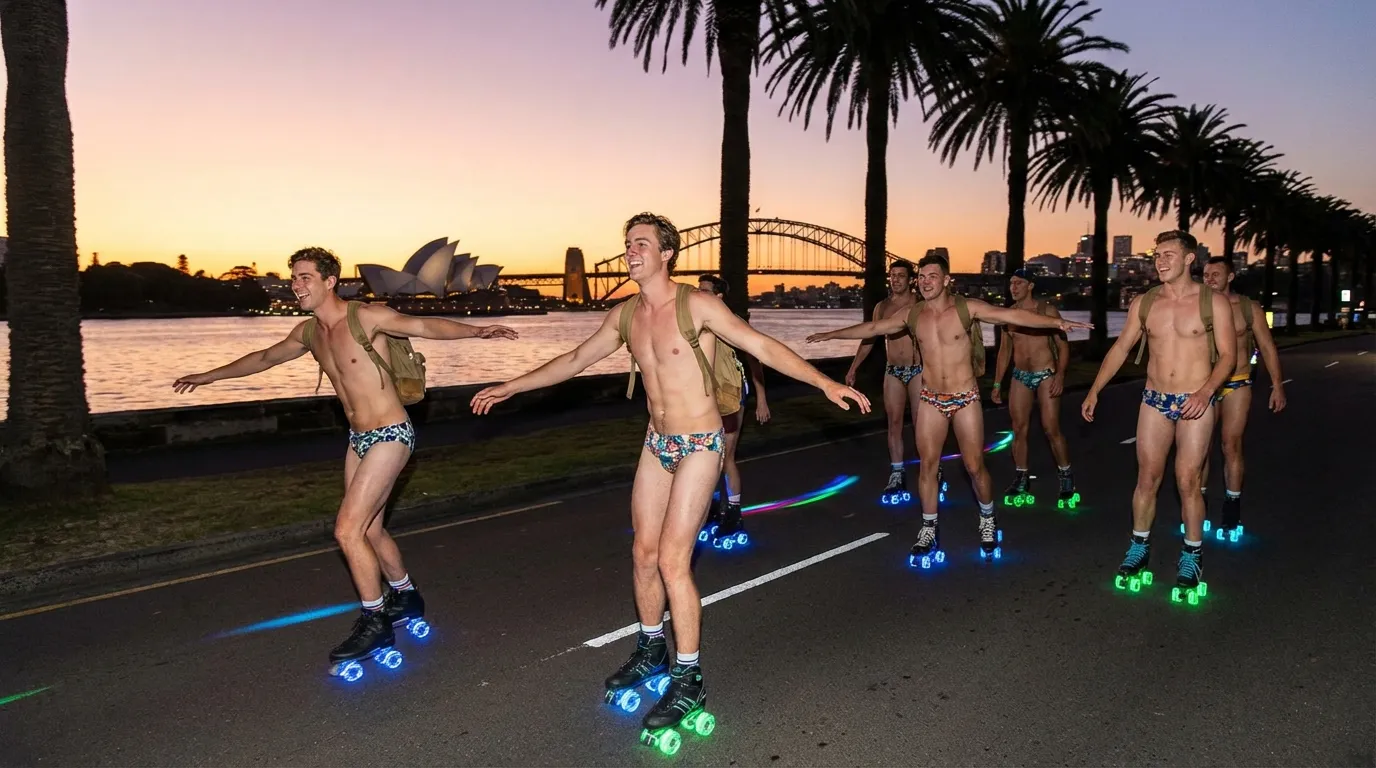
Fun, visible, and worth understanding
Glow-in-the-dark and LED roller skate wheels have become increasingly popular, and for good reason. They look great, add personality to a setup, and can make skating feel more fun and expressive. For outdoor skaters, especially those skating at dusk or at night, they can also provide a genuine safety benefit by making you more visible to pedestrians, cyclists, and drivers.
That visibility is not just aesthetic. Being seen earlier gives others more time to react, which can reduce near misses and improve confidence when skating in shared spaces.
However, glow and LED wheels work differently from standard wheels, and it is important to understand the trade-offs before choosing them.
How glow and LED wheels work
Most glow and LED wheels do not use standard bearings alone. Instead, they rely on:
- A magnetic spacer
- A small internal generator
As the wheel spins, the magnet creates resistance against the generator, producing light. This is what causes the wheel to glow or illuminate.
Why they can feel harder to skate on
Because glow and LED wheels generate power through resistance, they often:
- Do not spin as freely as standard wheels
- Feel slightly slower, especially when starting from a stop
- Require more effort to maintain speed
For experienced skaters this may be barely noticeable. For beginners, or skaters building endurance, it can feel like skating through mild drag.
When glow and LED wheels make sense
Glow and LED wheels are a good choice if you:
- Skate outdoors at night or in low light
- Want increased visibility for safety
- Skate casually rather than focusing on speed
- Enjoy the visual effect and atmosphere they create
They are especially popular for:
- Night skates and group roll-outs
- Recreational cruising
- Events, festivals, and social skates
When they may not be ideal
They may be less suitable if you:
- Are working on speed or endurance
- Skate long distances
- Are still developing basic skating strength
- Prefer a very free, fast roll
In these cases, standard wheels will usually feel easier and more efficient.
A practical compromise
Many skaters keep glow or LED wheels as a second wheel set. This allows you to:
- Use standard wheels for daytime or longer skates
- Swap to glow wheels for night skating or events
Changing wheels takes only a few minutes and gives you the best of both worlds.