
Sydney and Roller Skating: A 150-Year Story of Fall and Revival
Sydney’s love affair with roller skating runs in cycles. Big booms. Quiet decades. Sudden revivals.
For nearly 150 years, roller skating has surfaced again and again in Sydney’s social life. Each resurgence has followed a familiar pattern. A new generation discovers skating. Venues open. Crowds swell. The city embraces it as fashion, fitness, and spectacle rolled into one. Then economics shift, tastes change, or wars intervene, and skating retreats from view.
What makes this history unusual is not the rises and falls themselves, but their consistency. Few recreational activities in Sydney have returned so many times, across so many eras, in so many forms. Roller skating has survived gaslight halls, economic depressions, two world wars, disco culture, suburbanisation, and the rise of digital entertainment.
In the late 19th century, skating was a Victorian social ritual. In the early 20th century, it became a fashionable winter pastime and organised sport. In the 1930s, it offered affordable escape during economic hardship. In the 1970s and 80s, it transformed into a youth-driven cultural movement powered by music, fashion, and new technology. In the 21st century, it has re-emerged as a creative, inclusive, and community-led activity.
Today, Sydney finds itself at another turning point. Interest in roller skating is growing again across age groups and disciplines. Dance skating, derby, hockey, fitness skating, and social skating all coexist. Classes sell out. Pop-up events draw crowds. Online communities thrive.
Yet despite this momentum, modern Sydney has almost no permanent, purpose-built roller skating infrastructure. The city that once hosted dozens of rinks now relies on temporary setups, borrowed halls, outdoor paths, and improvised spaces.
Understanding how skating has repeatedly shaped Sydney’s cultural life helps explain why its absence today feels so stark. This history is not a novelty. It is evidence of long-standing demand, proven resilience, and a community that has never truly disappeared.
Timeline at a glance
1870s: Roller skating arrives in Sydney. Early rinks open.
1885–1890: The “rinking” craze. At least 25 rinks open.
1890s: Decline. The 1893 economic depression hits leisure hard.
1900s–1910s: Edwardian revival. Rinks return. Skating becomes “fashionable winter” fun.
1914–1918: WWI disrupts the scene. Venues repurpose.
1930s: Great Depression revival. Skating becomes affordable escapism.
1940s–1960s: Quiet decades. Rinks close or convert.
1970s–1980s: Roller disco era. Polyurethane wheels + disco culture.
1990s–2000s: Major closures. Skating shifts outdoors and into multi-use venues.
2010s–now: Modern resurgence. Derby, dance skating, pop-ups, classes, and social media.
Early beginnings in the 19th century
Roller skates themselves originated in 18th-century Europe, initially as curiosities and theatrical novelties rather than mass recreation. Early designs were crude, often dangerous, and limited to controlled indoor demonstrations.
By the mid-to-late 19th century, advances in wheel design, bearings, and boot construction made skating more practical and accessible. This coincided with rapid urbanisation and the rise of leisure culture in cities like Sydney, where organised recreation was becoming an accepted part of middle-class life.
By the 1870s, roller skating had arrived in Australia and gained a foothold in Sydney. Early references appear in newspapers advertising skating exhibitions, instructional sessions, and small indoor skating floors set up in halls, drill rooms, and repurposed entertainment spaces.
These early Sydney skating venues were modest by later standards. Floors were often temporary. Lighting was basic. Sessions were tightly managed to reduce injuries and maintain decorum. Skating was promoted as a respectable pastime, suitable for men and women, and framed as both light exercise and social refinement.
Importantly, skating arrived at a moment when Sydney society was actively experimenting with new forms of recreation. Lawn tennis, cycling, organised swimming, and indoor gymnastics were all emerging around the same time. Roller skating fitted neatly into this broader shift toward structured, urban leisure.
While participation in the 1870s remained limited compared to later booms, these early years established key foundations:
- Skating as an indoor, ticketed social activity.
- The idea of purpose-built floors and managed sessions.
- Media interest that framed skating as fashionable and modern.
Without these early experiments, the explosive growth of skating in the 1880s would not have been possible. They laid the cultural and commercial groundwork for Sydney’s first true skating craze.
The 1880s “rinking” craze
Sydney caught roller skating fever in the mid-1880s.
Between 1885 and 1890, at least 25 roller-skating rinks opened across the city. The growth was sudden and speculative, driven by entrepreneurs eager to capitalise on what quickly became a city-wide obsession. The craze grew so intense it earned its own nickname: “rinking.”
Roller skating was no longer a niche novelty. It became a defining social activity, drawing crowds night after night and cutting across class and gender lines in a way few recreations had before.
These venues weren’t just for exercise.
They were grand social halls and entertainment destinations. A place to be seen. A place to flirt, mingle, and display grace, balance, and daring on wheels. For many Sydneysiders, an evening at the rink rivalled the theatre or the ballroom as a central social event.
Darlinghurst Skating Rink (1889)
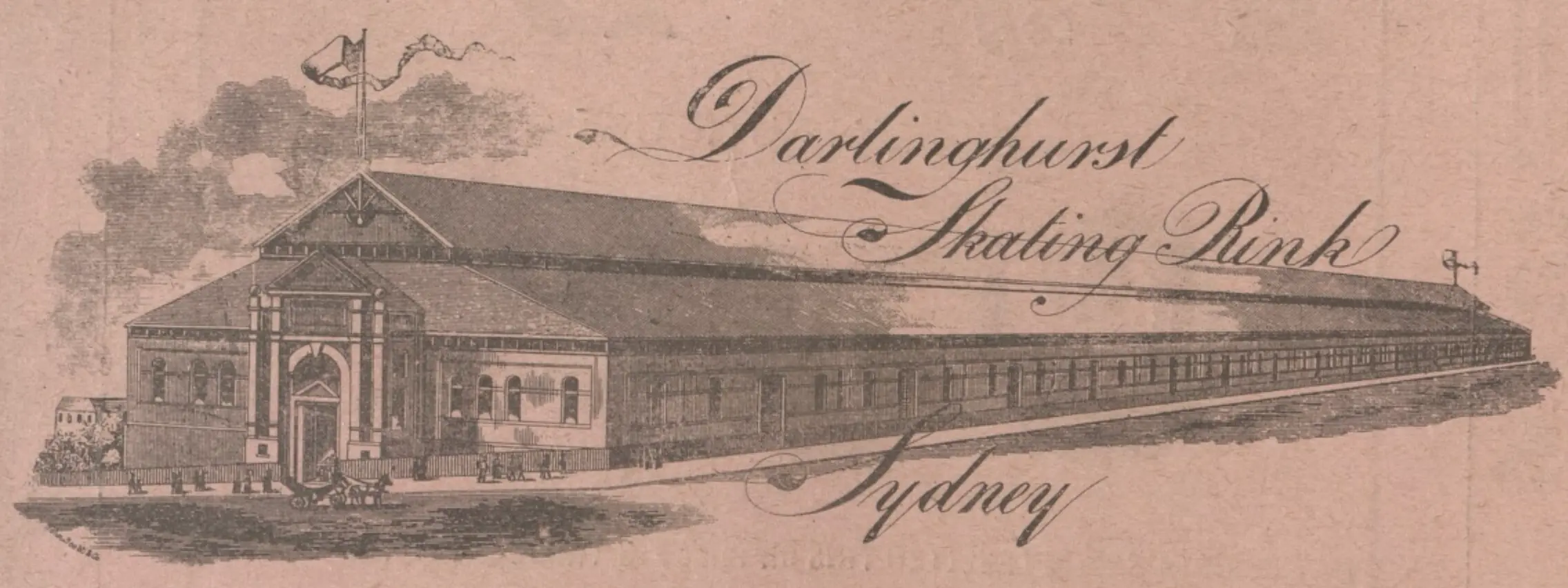
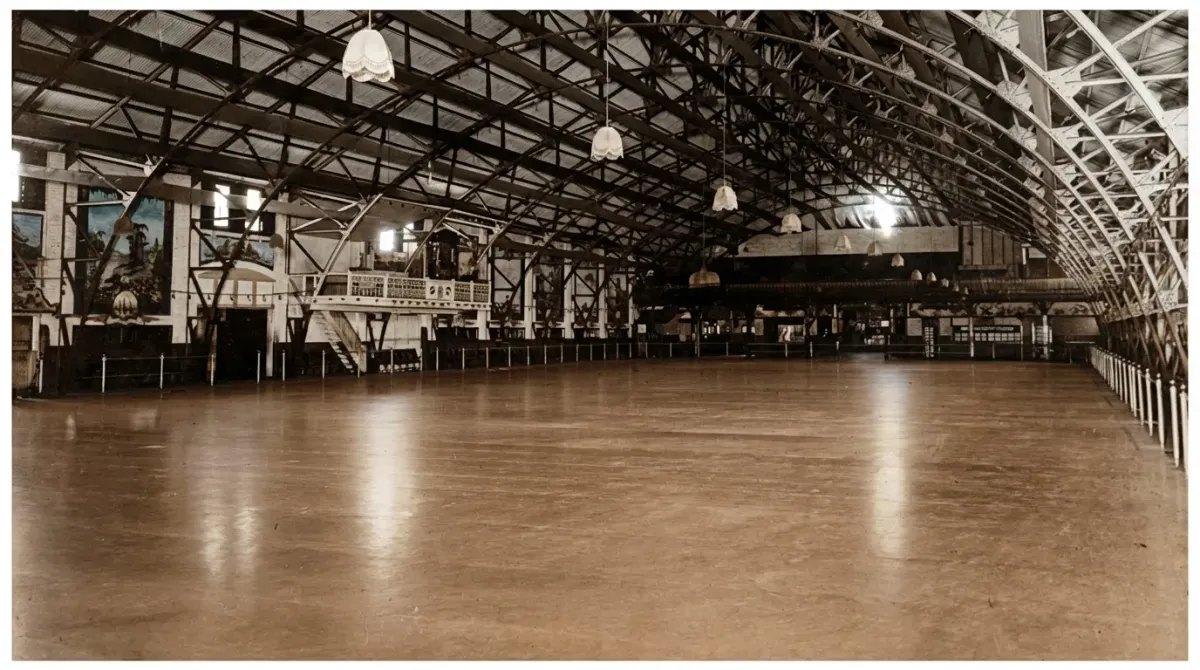
One of the most spectacular venues of the "rinking" era was the Darlinghurst Skating Rink, which opened on 23 May 1889 and was immediately promoted as a major social and architectural event for the city.
Located on the block bounded by Liverpool, Burton, Forbes and Thomson Streets, the rink occupied a vast footprint in what was then a rapidly developing inner‑city precinct. The building was designed by Robert Clarence Backhouse, an established Sydney architect known for theatres and entertainment venues, and its styling reportedly drew inspiration from the Imperial Palace of Japan, lending it an exotic and aspirational character.
The scale of the rink was extraordinary for its time. Contemporary reports describe a skating floor of roughly 32,500 square feet, measuring approximately 350 feet long by 130 feet wide, making it one of the largest indoor skating spaces ever constructed in the Southern Hemisphere. Construction was rapid and labour‑intensive, reportedly completed in around 10 weeks using a workforce of about 300 workers.
Opening night drew an estimated 2,000 people, with crowds gathering well before doors opened. Newspapers framed the event as “the social event of the season,” underscoring how skating had moved beyond novelty into mainstream urban culture.
The rink was equipped with advanced facilities well beyond the skating floor. These included a ladies’ drawing room and retiring room, gentlemen’s coat and smoking rooms, and a large refreshment hall measuring approximately 65 by 38 feet. Such amenities reinforced the rink’s role as a respectable, mixed‑gender social venue rather than a rough amusement.
Lighting and entertainment were central to the spectacle. The hall was illuminated by 18 electric arc lights, supplemented by five large gas chandeliers with around 30 burners each, along with strings of coloured lanterns. A military bandfrom the First Regiment of Volunteer Infantry performed from a suspended bandstand, creating a theatrical atmosphere that blended sport, music, and display.
Management actively courted new participants. Reports note that free instruction was offered to novice skaters, particularly women, with attendants assigned to assist beginners on the floor. This helped broaden participation and encouraged repeat attendance.
Beyond regular sessions, the Darlinghurst rink hosted masquerade nights, fancy‑dress carnivals, novelty races, and prize events, ensuring constant press coverage and reinforcing its status as one of Sydney’s premier entertainment venues. At its peak, it stood as a symbol of how seriously Sydney embraced roller skating during the late Victorian boom.
Newtown Trocadero (1889)
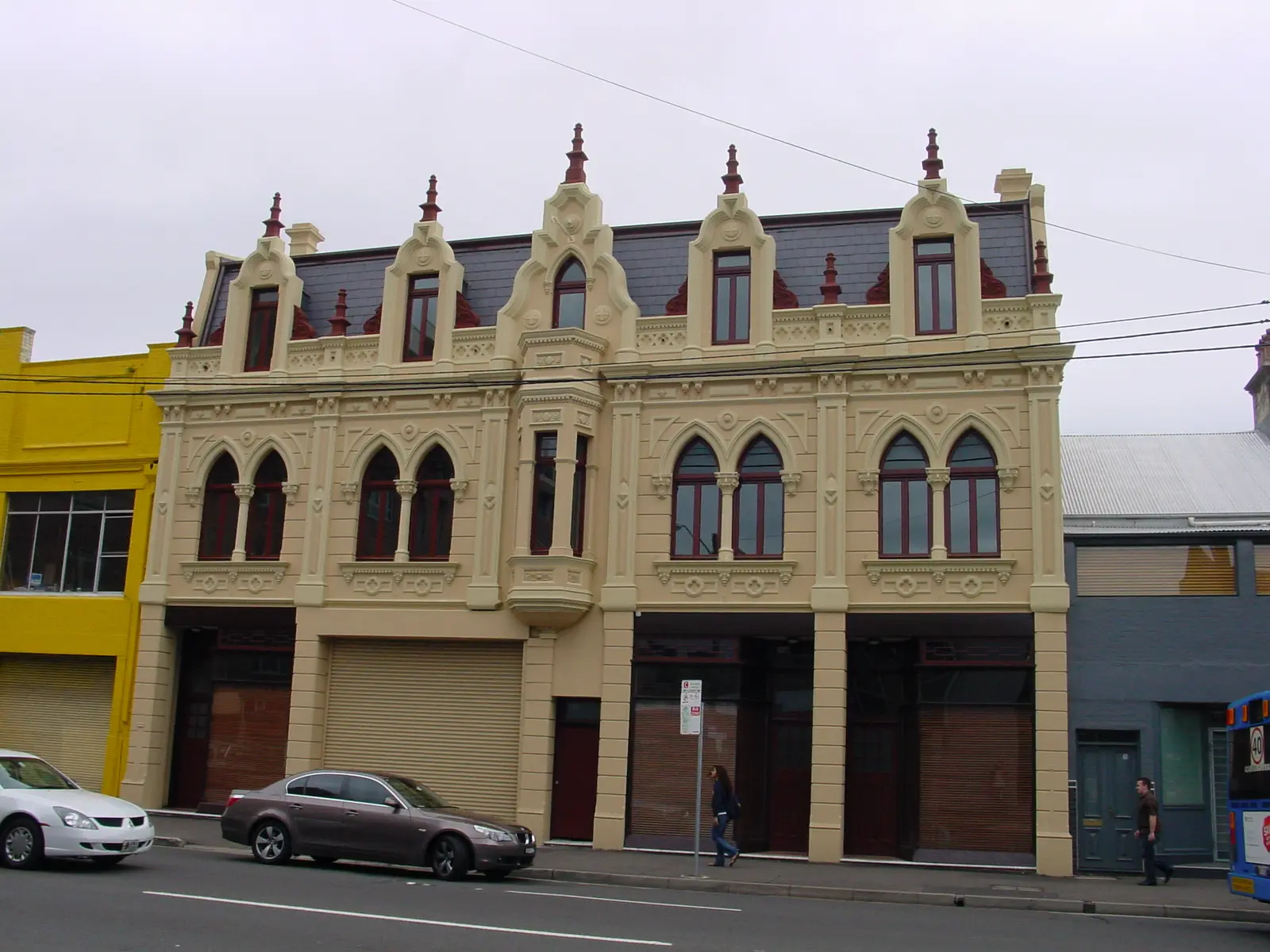
Newtown’s Trocadero was another flagship venue of the 1880s skating boom and quickly earned a reputation for scale and ambition.
Commissioned by entrepreneur Frederick Ferrier, the Trocadero was conceived not as a temporary attraction but as a long-term entertainment palace. Contemporary reports emphasised the seriousness of its construction and the money invested, reflecting confidence that skating would endure.
The rink showcased notable engineering innovation for its time, including:
- A vast, column-free skating floor, allowing uninterrupted circulation for large crowds.
- Advanced ventilation systems, with some accounts describing a retractable or openable roof to improve airflow during packed sessions.
The Sydney Morning Herald praised the venue at its opening, calling it “the finest roller skating rink in the colony”. This endorsement positioned the Newtown Trocadero as a rival to Darlinghurst and a benchmark for rink quality in Sydney.
Beyond skating, the Trocadero functioned as a social landmark for Newtown and surrounding suburbs. Its size allowed for exhibitions, demonstrations, and special themed events that drew patrons well beyond the immediate neighbourhood, reinforcing skating’s role as a city-wide cultural phenomenon rather than a local curiosity.
Skating as performance
This wasn’t only a hobby. It was entertainment.
Roller skating rinks doubled as live performance venues, where spectacle mattered as much as skill. Professional trick skaters toured the city, drawing paying audiences in much the same way as theatre or vaudeville acts.
The most famous was American performer Robert J. Aginton, dubbed the “King of the Rink.” His shows featured speed runs, precision spins, steep ramps, and theatrical flourishes designed to astonish crowds. Reports suggest he earned exceptionally high weekly fees for his appearances, reflecting the strong commercial draw of skating exhibitions.
Rinks also staged races, novelty events, and challenge matches between skilled skaters, turning ordinary sessions into competitive spectacles. These events helped maintain repeat attendance and press interest.
Fancy-dress skate nights were a major drawcard. Costume carnivals, themed evenings, and prize competitions encouraged participation and pageantry, while newspapers eagerly reported on the outfits, winners, and crowd sizes. This blend of sport, theatre, and social display was central to skating’s explosive popularity in the 1880s.
Sydney’s earliest film (1896)
Australia’s earliest surviving film footage, Patineur Grotesque (1896), features a roller skater filmed outdoors in Sydney near Prince Alfred Park. The short film was shot by Marius Sestier, associated with the Lumière brothers, during one of the first public film exhibitions in Australia.
The choice of subject was not accidental. Roller skating was already familiar and visually engaging to Sydney audiences, making it an ideal spectacle for this new medium. The skater’s exaggerated movements and comic performance translated well to early film technology, which relied on bold motion rather than narrative.
It’s a brief and playful scene, but its significance is substantial. It places roller skating at the very birth of Australian cinema and confirms how embedded skating was in Sydney’s public life by the end of the 19th century. Few recreational activities can claim such an early and visible presence in the nation’s cultural record.
End of an era: the 1890s decline
The boom didn’t last.
As the novelty wore off and the 1893 economic depression took hold, discretionary spending collapsed. Leisure venues were among the first to feel the impact, and roller skating rinks, many of which had been built quickly and speculatively, were particularly exposed.
Attendance declined. Operating costs remained high. One by one, rinks closed or were repurposed for other uses.
Newtown’s Trocadero, which had opened only a few years earlier at the height of optimism, stopped operating as a skating rink by 1893. Other major venues followed similar paths, marking a sharp end to Sydney’s first great skating era.
Skating did not disappear entirely. A small number of enthusiasts and multi‑use halls kept it alive in reduced form. But as a mass cultural phenomenon, roller skating slipped from the centre of Sydney’s social life, awaiting conditions that would allow it to return.
Edwardian revival: golden years (1900s–1910s)
Skating returned in the early 1900s.
By 1904–1905, rinks reopened and new ones launched. Some venues were refurbished and repositioned as mixed entertainment spaces.
Prince Alfred Park Exhibition Building becomes a rink (1904)
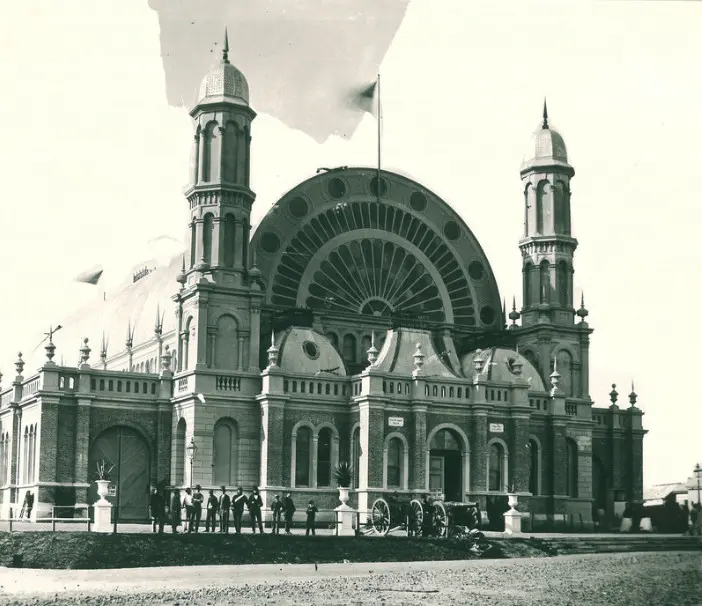
In 1904, the Exhibition Building at Prince Alfred Park was converted into a public roller skating rink, marking a significant moment in Sydney’s Edwardian skating revival.
Originally constructed in the 1870s as a grand exhibition hall, the building offered a rare combination of central location, expansive indoor space, and strong transport access. These qualities made it well suited to large-scale public recreation.
Its conversion into a skating rink signalled that roller skating had once again reached mainstream acceptance. Rather than being confined to suburban halls, skating returned to the heart of the city as a legitimate, civic leisure activity. For many Sydneysiders, this venue provided their first exposure to skating in a formal, purpose-adapted indoor setting during the new century.
Centennial Skating Palace, Bondi Junction (1906)
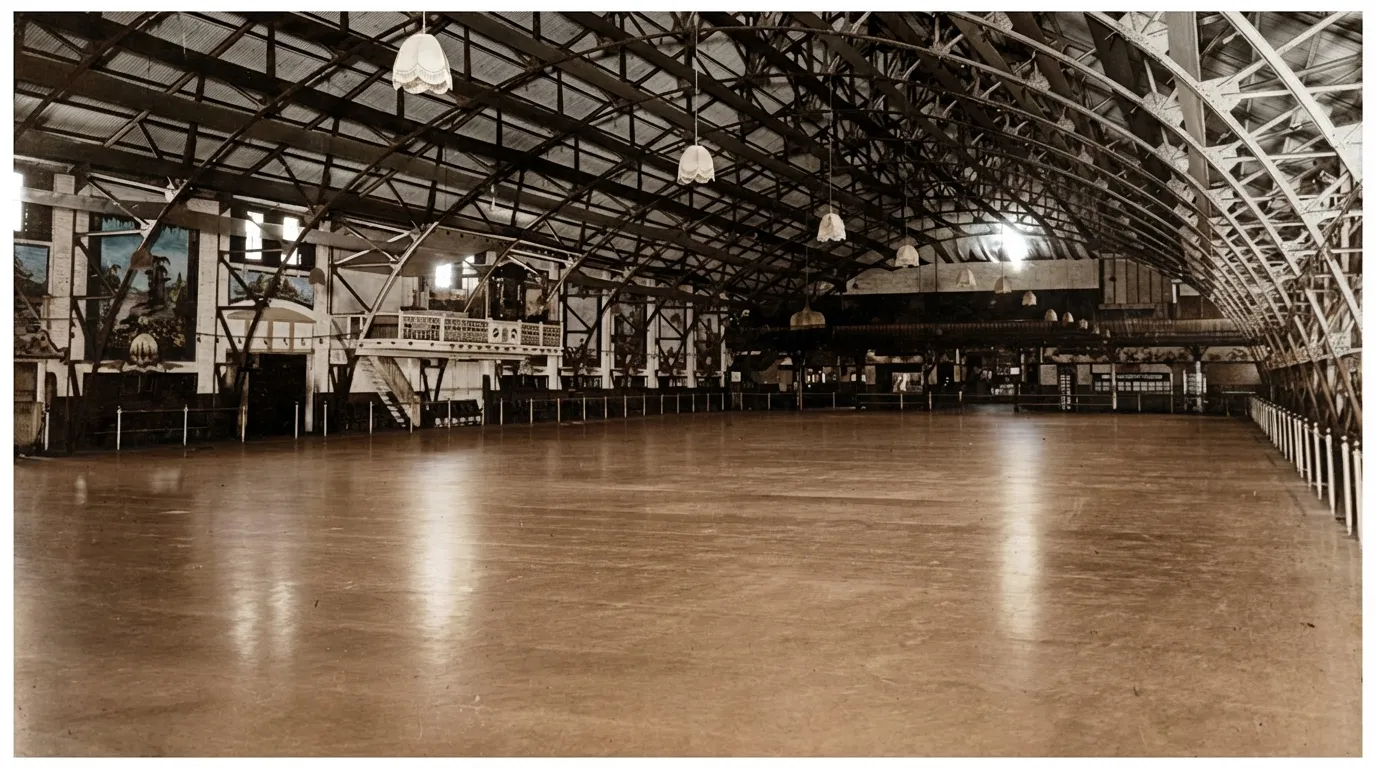
Bondi Junction’s Centennial Skating Palace opened in 1906 and became a major hub.
It hosted public sessions, sports like roller hockey, and community events.
By 1913, it was advertised as the largest roller rink in Australia and promoted as a fashionable winter pastime.
War and aftermath
World War I disrupted leisure life across Sydney, and roller skating was no exception.
As large numbers of young men enlisted and public priorities shifted toward the war effort, attendance at skating rinks declined. Disposable income fell, evening leisure time changed, and large entertainment venues became harder to operate.
Some rinks were repurposed for community support and war-related uses. Large indoor halls were well suited to relief work, storage, fundraising events, and support activities for soldiers’ families. In Newtown, the former Trocadero building was later used as a community relief centre during and after the war, illustrating how skating infrastructure was absorbed into broader civic needs.
After the war ended in 1918, roller skating did not immediately rebound. The 1920s introduced new competitors for attention and spending. Cinema became a dominant mass entertainment. Radio entered homes. Jazz dancing and social clubs flourished. Compared to these emerging forms, skating appeared old-fashioned to some audiences.
A number of pre-war rinks closed permanently during this period or reinvented themselves as dance halls, cinemas, or general-purpose venues. While skating sessions still occurred sporadically, the sport slipped into the background of Sydney’s leisure culture, waiting for the economic and social conditions that would allow it to return once again.
The Great Depression revival (1930s)
Around 1930, roller skating surged once again in Sydney, defying the grim economic conditions of the Great Depression.
With money tight and unemployment high, people gravitated toward forms of entertainment that were affordable, social, and close to home. Roller skating met all three needs. A small entry fee or skate hire provided hours of music, movement, and company at a time when many other amusements were out of reach.
A defining feature of this revival was the creative reuse of existing buildings. Across Sydney and its suburbs, underperforming cinemas and large halls were converted into roller rinks, giving new life to spaces that had fallen victim to changing entertainment habits. These conversions allowed skating to expand quickly without the cost of new construction and helped embed rinks into local communities during a period of widespread hardship.
Rivoli Rink, Parramatta (1930)
In 1930, Parramatta’s old Star cinema became The Rivoli, with a new maple floor.
Reports describe:
- Crowds of 1,000+ at special events.
- Costume carnivals that turned the rink into a “fairyland”.
- Roller hockey competitions between rinks.
Community groups also used skating as morale-boosting social events.
Mid-century challenges (1940s–1960s)
The mid-20th century proved to be one of the most challenging periods for roller skating in Sydney.
World War II once again disrupted civilian leisure. Venues faced staffing shortages, rationing, curfews, and changing public priorities. Some skating rinks were requisitioned or repurposed for military or industrial use, while others simply became unviable as audiences dwindled.
In the post-war years, broader cultural shifts worked against skating. The rapid rise of the private motor car, suburban expansion, television, and new youth-oriented music scenes changed how Sydneysiders spent their free time. Large indoor skating venues struggled to compete with cinemas, dance halls, and emerging forms of home entertainment.
As a result, many remaining rinks closed permanently, were converted into dance halls, cinemas, warehouses, or community centres, or were demolished entirely as urban redevelopment accelerated.
Despite this decline, skating did not vanish. A modest revival emerged in the early 1960s, driven largely by local initiative rather than large-scale commercial investment. Entrepreneurs converted older suburban cinemas and halls into smaller, more modest roller rinks. These spaces lacked the grandeur of earlier eras, but they played an important social role.
For many children and teenagers, these suburban rinks became formative spaces. They offered a supervised place to socialise, develop skating skills, and build local community ties. While the scale was smaller and the visibility lower, this period quietly sustained skating culture and kept it alive long enough to bridge the gap to the dramatic roller disco revival that followed.
The roller disco era (1970s–1980s)
The 1970s and 80s produced the most recognisable and culturally enduring era of roller skating in Sydney.
A major driver of this resurgence was technology. The introduction of polyurethane wheels around 1970 transformed how skates performed. They were faster, quieter, smoother, and far more responsive than earlier metal or clay wheels. This allowed skaters to dance, spin, and flow with a precision that had not previously been possible.

At the same time, global disco culture exploded. Music, fashion, and nightlife converged with skating in a way that felt effortless. Roller rinks across Sydney reinvented themselves as night-time entertainment venues, blending skating with club-style lighting, DJs, and spectacle.
Rinks became neon social hubs. Mirror balls spun overhead. Coloured lights swept across the floor. Arcade machines and snack bars lined the edges. Fashion was as important as technique, with skaters embracing bold colours, short shorts, sequins, leg warmers, and custom boots. For many teenagers and young adults, the rink was where friendships formed and identities were shaped.
Sydney had several well-remembered roller disco venues during this period. Rinks such as St Marys ‘Saints’ (later associated with Wheelies) and large centres in Campbelltown became regional magnets, drawing crowds every weekend. Northern beaches and inner-west suburbs also hosted local rinks and pop-up sessions that fed into the broader craze.
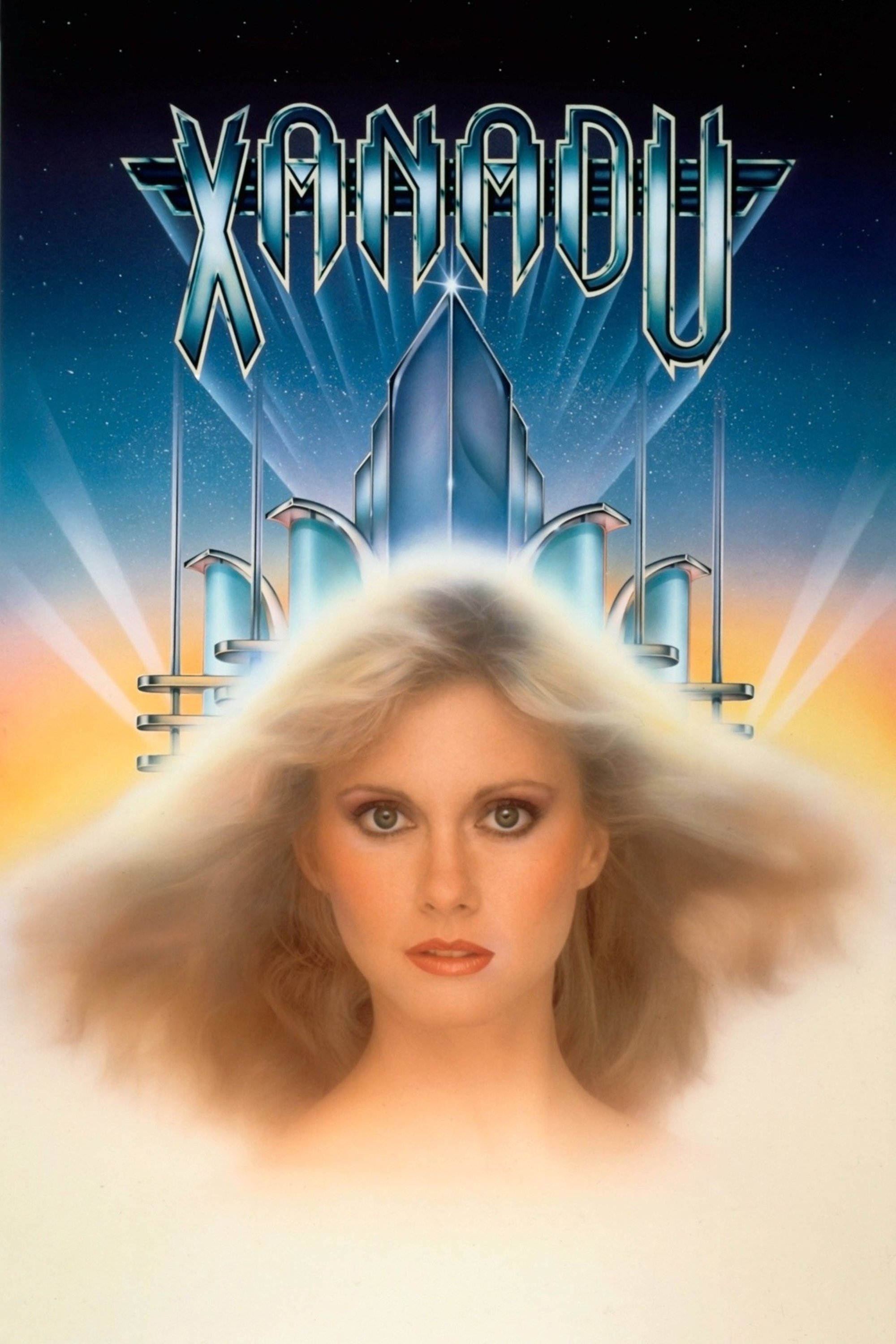
The roller disco era extended beyond recreation. It influenced film, television, and popular imagery, cementing skating as a symbol of freedom, youth, and self-expression. Competitive skating continued in parallel, but for many, this era was defined less by sport and more by music, movement, and social belonging.
By the mid-to-late 1980s, the boom began to fade. Music tastes shifted, new forms of entertainment emerged, and attendance declined. Many rinks struggled to adapt, bringing one of Sydney’s most visually iconic skating chapters to a close.
Decline and modern resurgence (1990s–now)
The 1990s and early 2000s were among the most difficult decades for roller skating in Sydney.
As the roller disco era faded, many dedicated rinks found themselves financially exposed. Operating costs remained high, land values increased, and fewer young people were drawn to large indoor skating venues as new forms of entertainment took hold. One by one, long‑running rinks closed permanently, often replaced by retail, warehousing, or residential development.
With fewer permanent venues available, skating activity shifted outward. Skaters moved to outdoor paths, car parks, basketball courts, and improvised spaces, adapting to what the city offered rather than what it was built for. Temporary and multi‑use venues filled some gaps, but consistency was lost.
Despite these challenges, the culture itself did not disappear. It fragmented, diversified, and quietly reorganised, carried forward by committed skaters who refused to let the activity vanish from Sydney’s streets and communities.
New communities formed

As traditional rinks disappeared, new skating communities emerged in different forms, reshaping how and where people skated.
- Inline skating surged in the 1990s as a fitness and transport activity. Smooth coastal paths, shared bike tracks, and long suburban promenades became informal skating corridors, particularly along beachside routes. This kept wheel-based skating visible in public space, even as indoor rinks vanished.
- Roller derby played a critical role in reviving quad skating from the mid‑2000s onward. Leagues such as Sydney Roller Derby reintroduced a new generation to skating through sport, identity, and community. Derby prioritised inclusivity, self‑organisation, and empowerment, and proved that skating cultures could thrive without traditional rink infrastructure.
- Classes and social groups rebuilt skills and confidence at ground level. Learn‑to‑skate programs, dance skating meetups, and informal training sessions took place in community halls, sports centres, and hired spaces. These groups filled the knowledge gap left by rink closures and helped transform casual interest into sustained participation.
Together, these communities ensured that roller skating in Sydney evolved rather than disappeared, laying the groundwork for the broader revival that followed.
The current revival
Sydney’s modern resurgence is being shaped by a convergence of cultural, technological, and social forces.
Social media has played a decisive role. Short‑form video platforms have made skating highly visible again, showcasing dance skating, freestyle moves, and expressive personal styles. What was once hidden in rinks or halls is now shared globally, inspiring new skaters and reconnecting former ones with the activity.
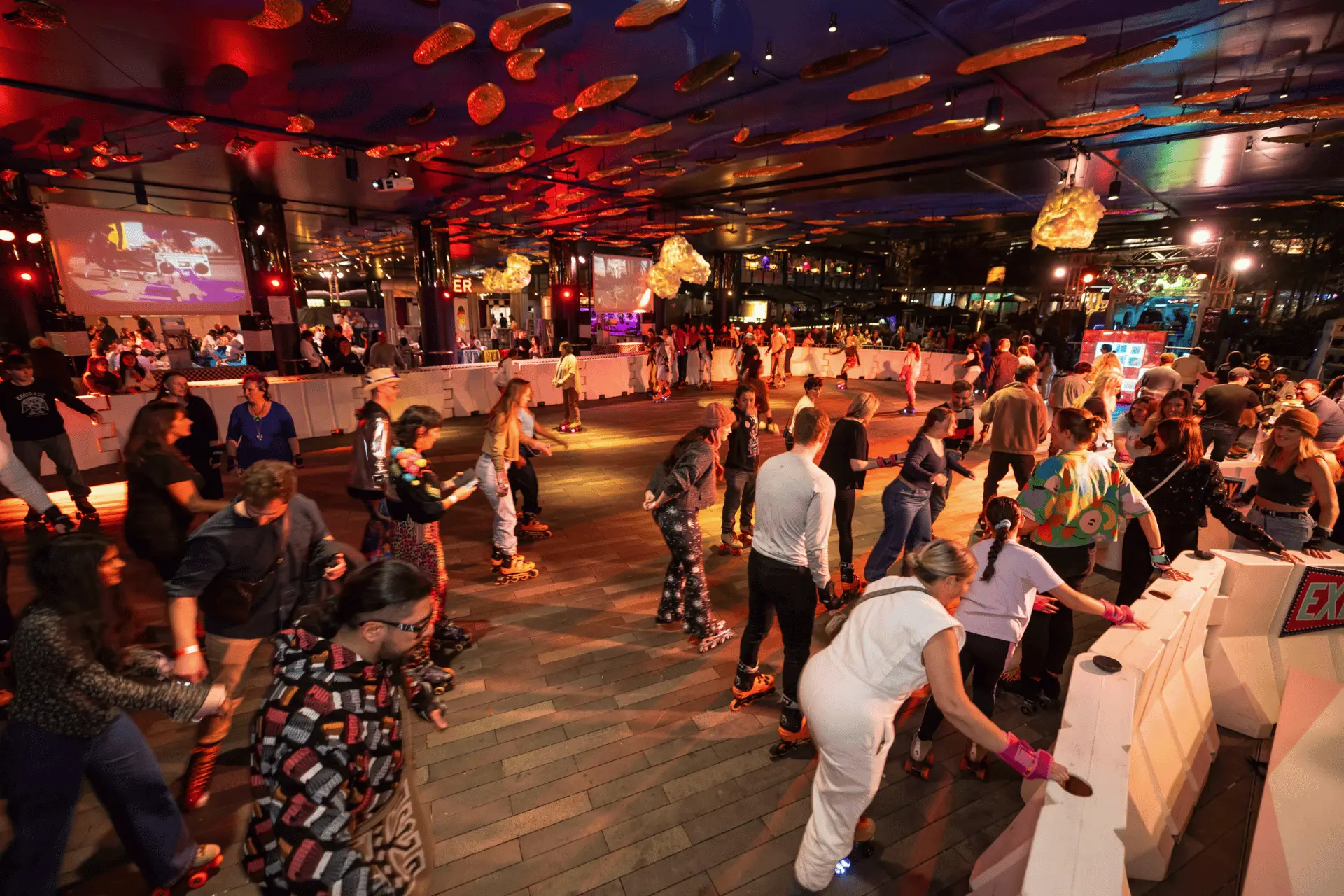
Pop‑up rinks and portable “rink on wheels” setups have also helped reintroduce skating to the public eye. Temporary installations at festivals, markets, and events demonstrate clear demand and draw large, diverse crowds, even though they operate only for limited periods.
At the grassroots level, learn‑to‑skate programs, dance skating classes, and social sessions have expanded rapidly. These initiatives lower the barrier to entry, rebuild lost skills, and create welcoming pathways for adults, families, and young people alike. Many participants are discovering skating for the first time, not returning out of nostalgia.
Underpinning all of this is a strong social and creative culture. Skating today emphasises self‑expression, inclusivity, fitness, and mental wellbeing. It brings together people across age groups, identities, and skill levels in ways few urban activities manage to achieve.
The demand is real and sustained. What remains missing is the infrastructure to support it at scale.
Why this history matters now
Sydney has a deep and well-documented skating heritage. For more than a century, roller skating has repeatedly proven its ability to attract large audiences, adapt to social change, and embed itself in everyday urban life. Each revival has emerged not from nostalgia alone, but from genuine demand for accessible, social, and joyful movement.
Yet today, despite this long history, Sydney’s skating community operates with remarkably limited support. Many skaters still rely on:
- Outdoor paths and car parks.
- Mixed-use or hired spaces.
- Temporary pop-ups that appear briefly, then disappear.
These stopgap solutions demonstrate enthusiasm, but they are not a stable foundation. They limit accessibility, restrict growth, and exclude people who need safe, predictable, and weather-proof environments. Children, older adults, beginners, and people with disabilities are particularly affected.
A permanent rink in central Sydney would not be an exercise in nostalgia or novelty. It would be a practical response to sustained demand and a continuation of a long civic tradition. Historically, rinks functioned as places of movement, learning, performance, and social connection. Modern facilities can do the same, while meeting contemporary expectations around safety, inclusion, and community use.
Seen in this context, investing in skating infrastructure is not about reviving the past. It is about completing an unfinished story and ensuring that a proven, community-building activity has a place in Sydney’s future.